Why Lens Quality Matters Before the Camera Is Even Turned On
When people talk about image quality, the camera usually gets most of the attention.
We talk about megapixels, sensors, frame rates, dynamic range, and image processing.
But before any of that happens, light has to pass through the optical system.
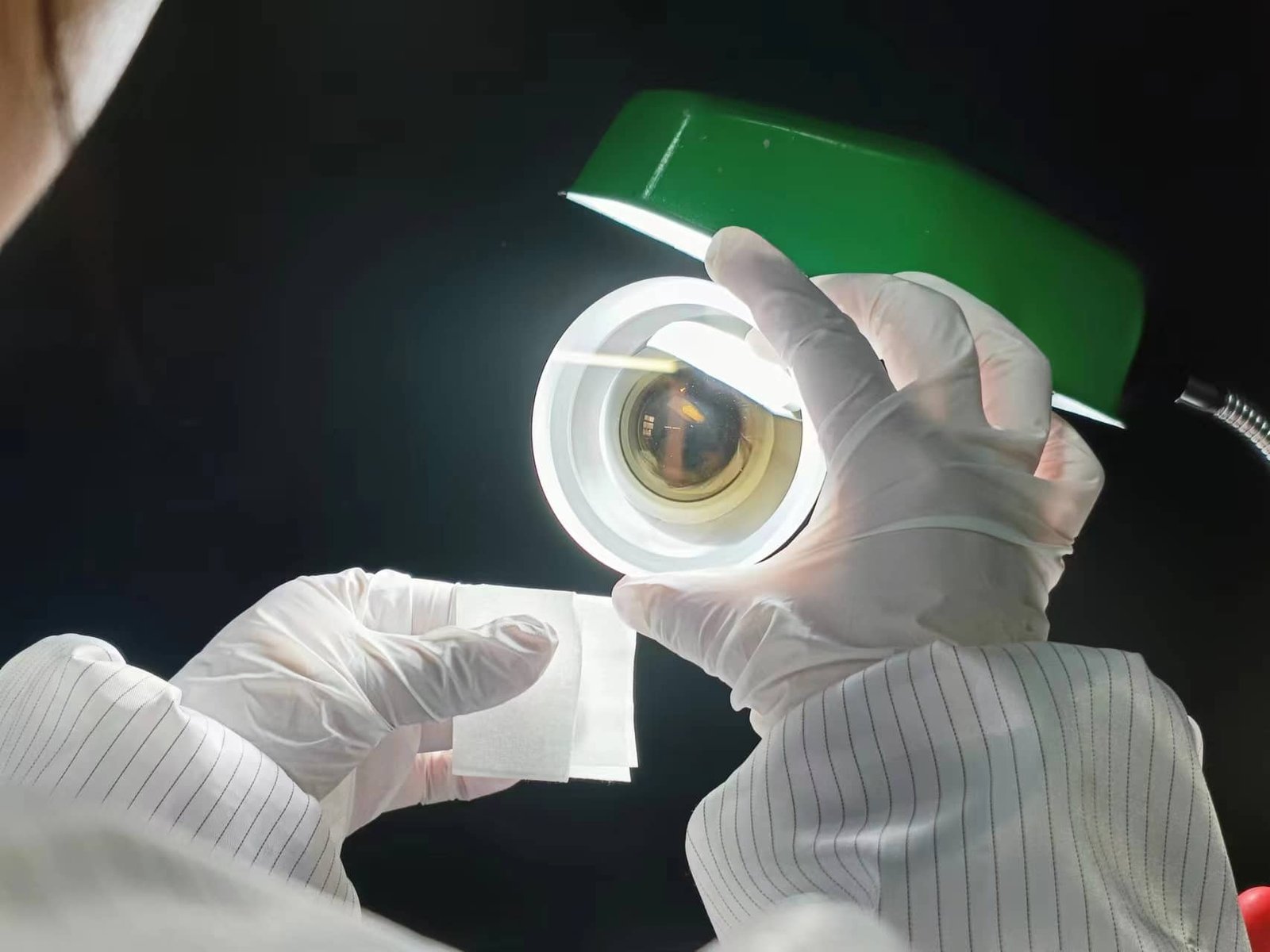
The lens determines how that light reaches the sensor.
That means some of the most important decisions affecting image quality are made before the camera is even switched on.
A Better Camera Can’t Always Fix a Poor Optical System
It is natural to assume that a higher-resolution sensor will automatically produce a better image.
But the sensor can only capture the information delivered to it.
If the optical system introduces excessive distortion, insufficient resolution, poor contrast, or other limitations, increasing camera resolution won’t necessarily solve the underlying problem.
The lens and sensor need to be designed to work together.
This is particularly important in applications where the image isn’t simply being viewed by a person, but is being analyzed by software or used to make a decision.
Glass Matters
The optical material used in a lens affects how light travels through the system.
Different types of optical glass have different properties, and selecting the right material can be important for controlling optical performance.
This becomes even more important as systems become more demanding.
The goal isn’t simply to use “better glass.”
It’s to select materials that make sense for the requirements of the complete optical design.
Coatings Are Part of the Optical System
Light passing through multiple optical surfaces can create unwanted reflections.
Optical coatings help manage these effects and can improve transmission and overall image performance.
In practical applications, this can influence contrast, clarity, and how the system performs under different lighting conditions.
The coating strategy therefore needs to be considered as part of the optical design—not treated as an afterthought.
Precision Matters
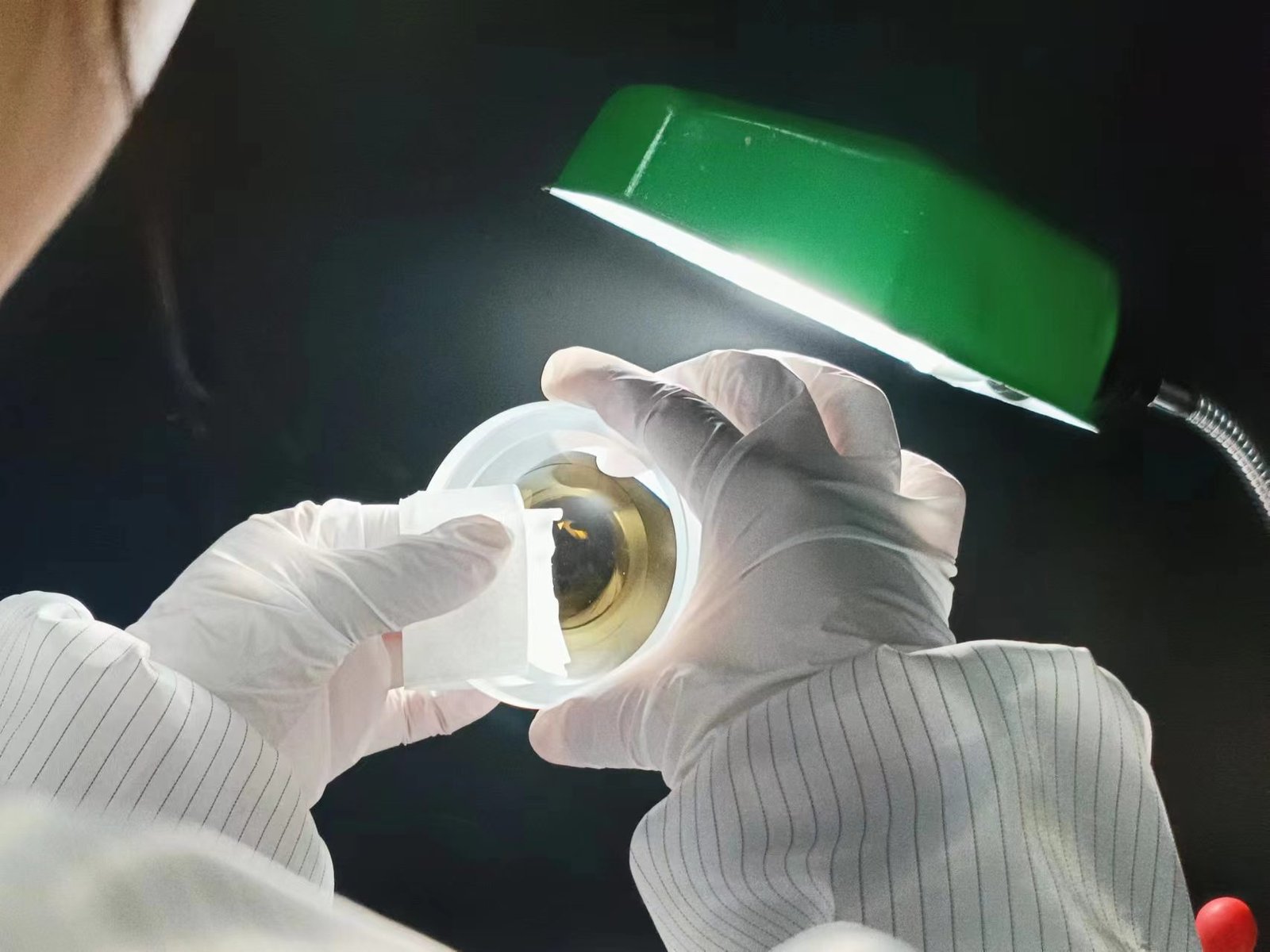
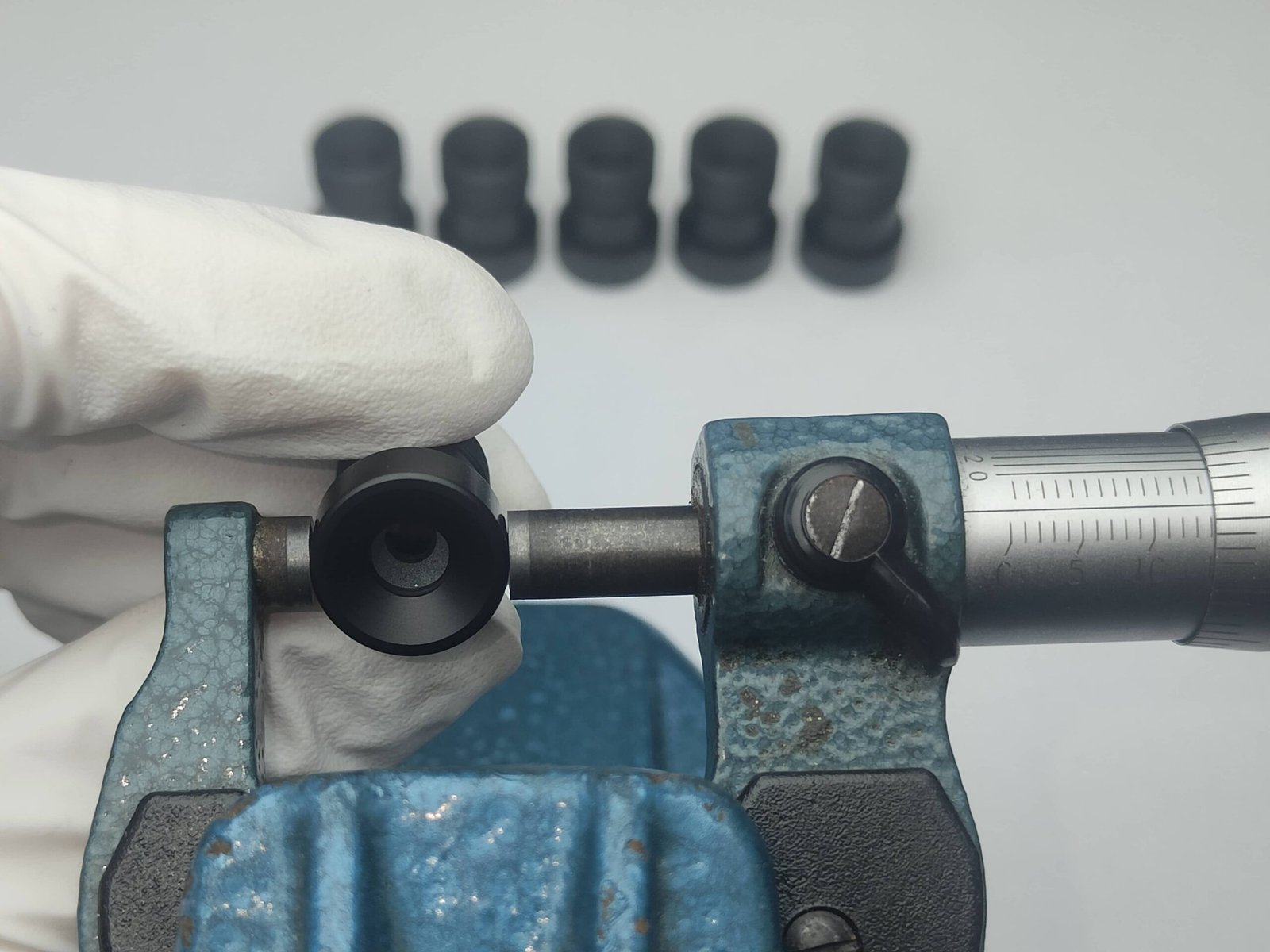
Even a well-designed optical system needs to be manufactured accurately.
Small variations in lens elements, alignment, spacing, or assembly can affect the final performance.
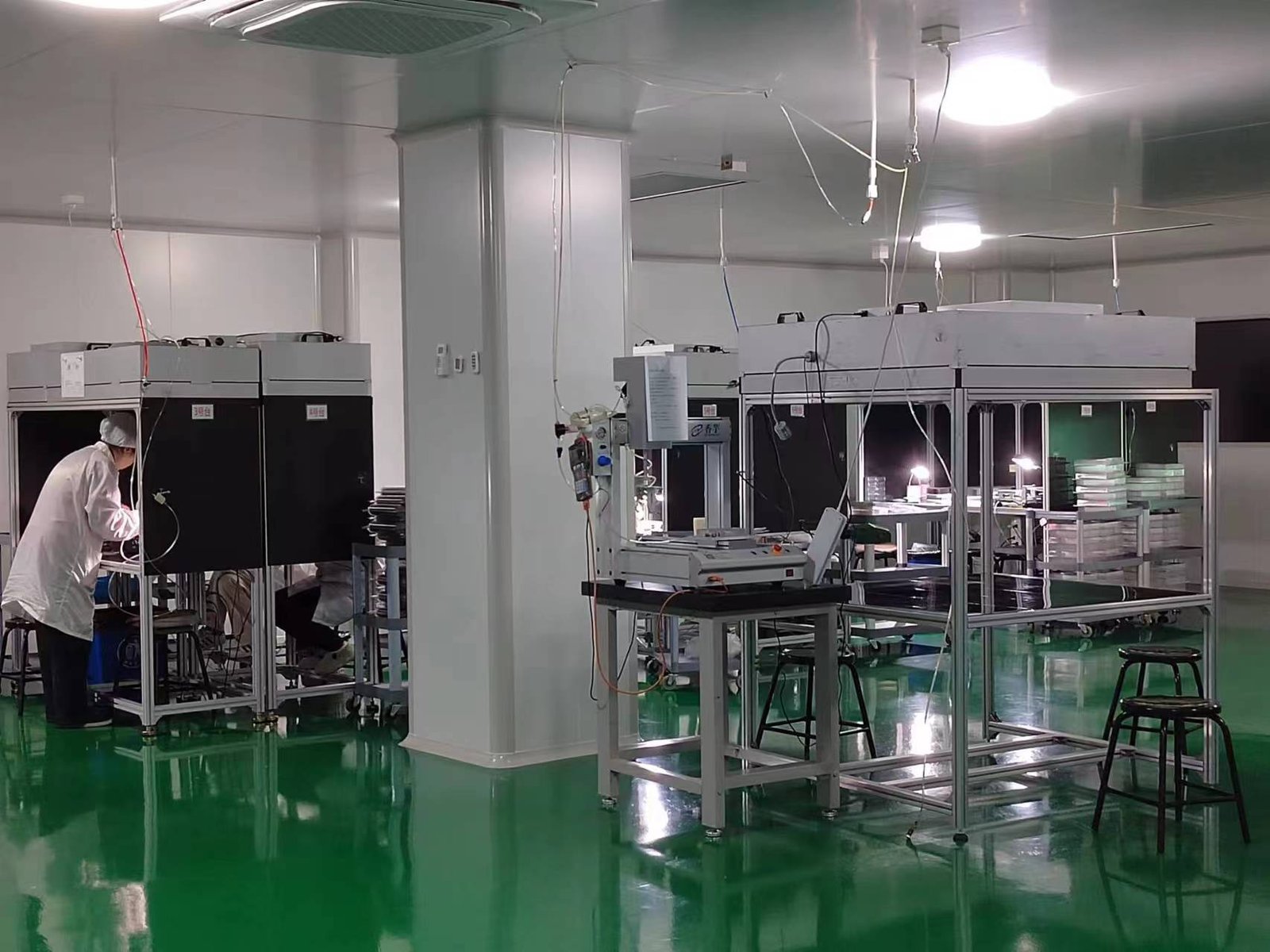
This is why precision manufacturing and quality control matter.
For an engineering team developing a product, getting a prototype to work is only part of the challenge.
The solution also needs to be repeatable.
If the first unit performs well but production units vary significantly, the optical system becomes a manufacturing problem.
Testing Should Happen Before Production
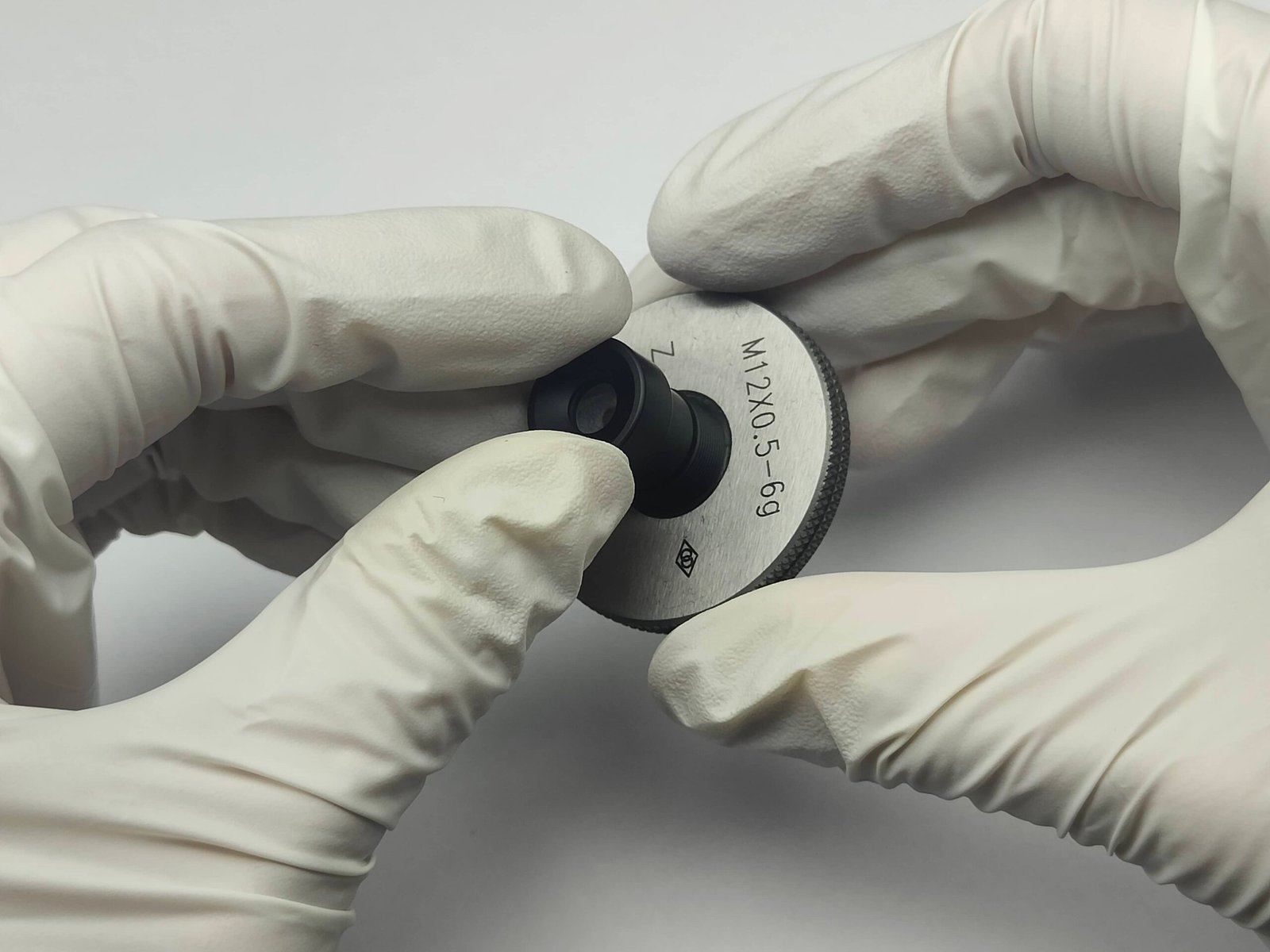
Optical testing helps verify whether the design is actually delivering the expected performance.
Depending on the application, teams may need to evaluate factors such as:
Resolution
Distortion
Transmission
Focus
Alignment
Image consistency
Environmental performance
The specific testing requirements depend on the application.
What matters is that optical performance is measured against defined requirements rather than assumed from a specification sheet.
Why This Matters for Machine Vision
In machine vision, image quality can directly affect the decision-making process.
If an inspection system cannot clearly distinguish a defect, the software cannot reliably identify it.
If measurements are distorted, the resulting data may not be accurate.
If image quality varies between production units, maintaining consistent system performance becomes more difficult.
That makes optical design a critical part of the entire vision system.
Medical and Industrial Imaging Have Their Own Demands
Different applications create different optical challenges.
Medical imaging may require compact optical assemblies, specific imaging characteristics, and consistent performance in demanding environments.
Industrial systems may prioritize durability, repeatability, resolution, or integration with existing equipment.
Robotics and machine vision can place their own requirements on field of view, working distance, speed, and image quality.
There is no single definition of a “good lens.”
A good lens is one that performs reliably for the application it was designed for.
From Design to Production
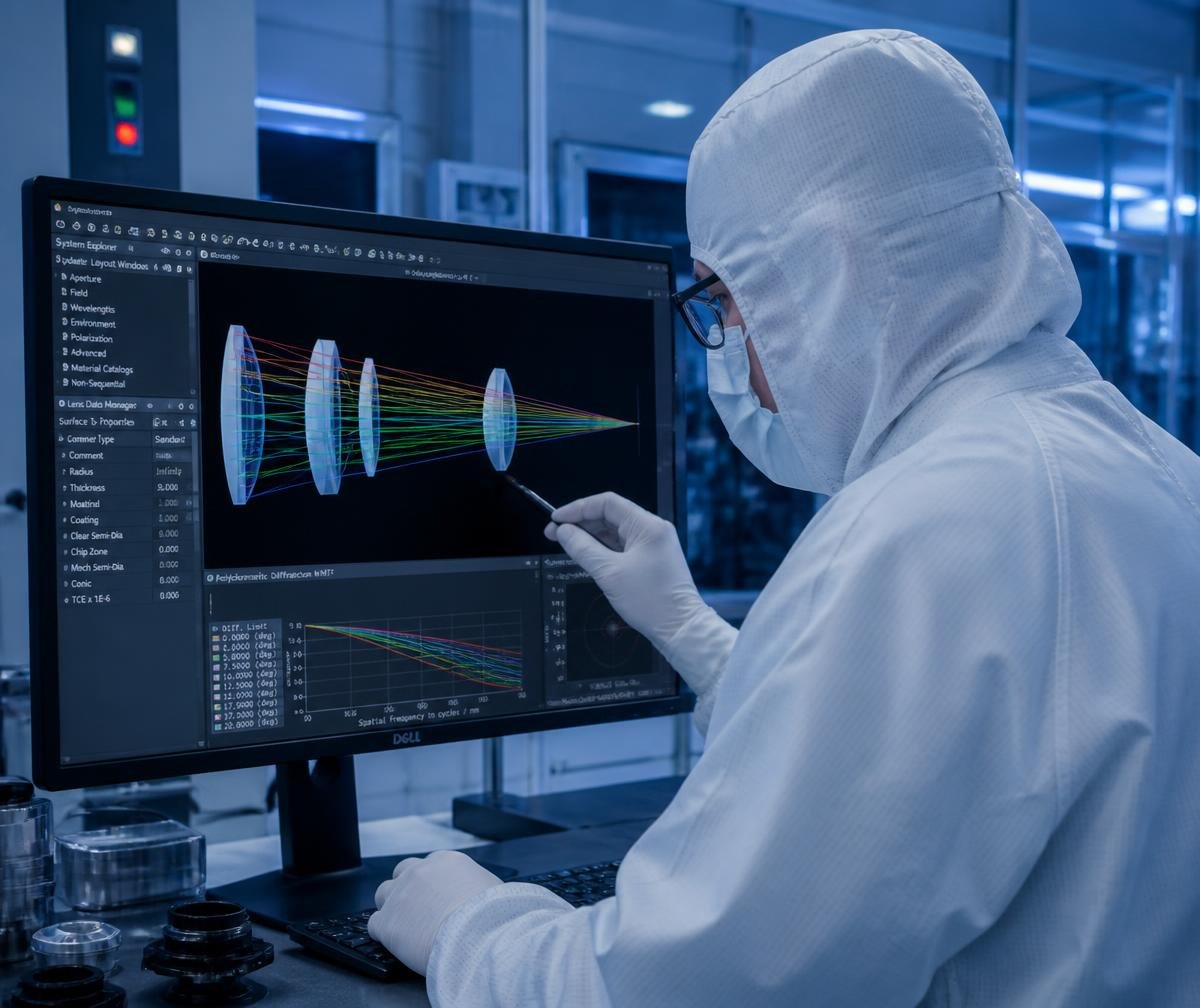
Optical engineering doesn’t stop when a design looks good on a computer.
The transition from design to physical production is where tolerances, assembly, testing, and repeatability become critical.
This is particularly important for OEMs that need to move from prototype quantities to ongoing production.
The optical system needs to be designed with manufacturability in mind from the beginning.
That means considering not only:
“Can we design it?”
but also:
“Can we manufacture it consistently?”
The Camera Is Only One Part of the System
A high-performance imaging system is built from multiple components working together.
The sensor matters.
The processing matters.
The lighting matters.
But the optical system is where the image begins.
Getting the lens right early in the development process can prevent compromises later and help ensure that the rest of the imaging system can perform as intended.
At Lensmind, we focus on the optical side of that equation—from standard lens supply and custom optical engineering to scalable production.
Because when the image needs to be right, optical quality shouldn’t be an afterthought.
Building an imaging system and need help with the optics? Let’s discuss your requirements.